Table of Contents
- Introduction to Smart Ring Features
- Smart Ring Features for Health Tracking
- Smart Ring Features for Sleep Monitoring
- Smart Ring Features for Fitness Tracking
- Smart Ring Features for Stress Monitoring
- Smart Ring Features for Smart Notifications
- Smart Ring Features for Battery Life and Comfort
- Smart Ring Features for Security and Payments
- Benefits and Risks of Smart Ring Features
- Future of Smart Ring Features
- Conclusion
Introduction to Smart Ring Features
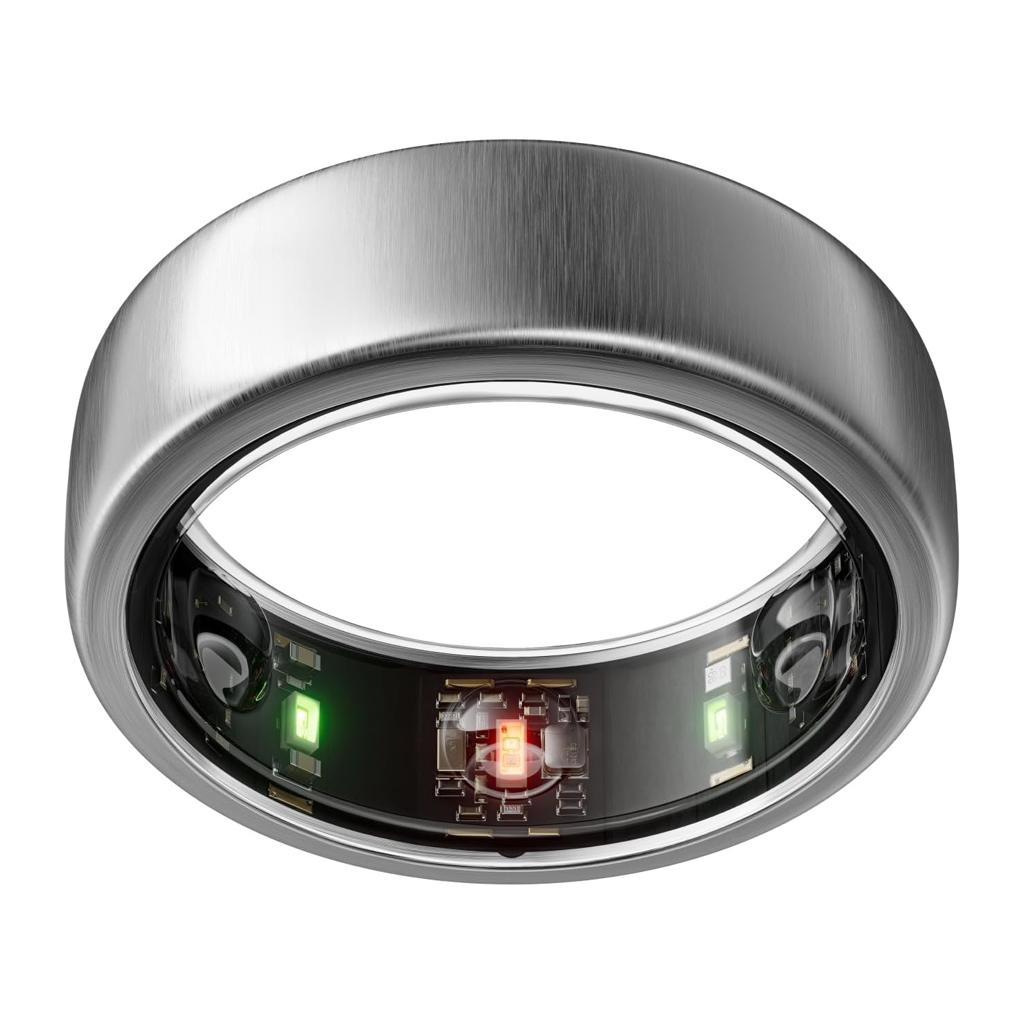
Smart ring features are changing the way people track their daily activities, monitor sleep, and interact with digital technology. These compact wearable devices fit on a finger and can include sensors that measure movement, skin temperature trends, heart rate, and other signals. Unlike traditional smartwatches, smart rings usually have a discreet design without a large screen.
As wearable technology continues to develop, smart rings are becoming an interesting option for people who want health insights without wearing a bulky device. Depending on the model, a smart ring may provide sleep reports, activity tracking, recovery estimates, and smartphone connectivity.
However, not every smart ring offers the same capabilities. Some focus mainly on health monitoring, while others include contactless payments or digital access features. Accuracy, subscription fees, battery life, and privacy are also important considerations.
Understanding the most useful smart ring features can help consumers decide whether this small wearable is a worthwhile investment. Although smart rings offer several potential benefits, they also have limitations that buyers should understand before choosing a device.
1. Smart Ring Features for Health Tracking

One of the most popular smart ring features is health tracking. Depending on the device, sensors can collect information related to heart rate, movement, skin temperature, and blood oxygen estimates. The ring then uses software to turn these measurements into summaries and trends.
Because a smart ring sits on the finger, it can collect certain signals continuously during everyday activities and sleep. This allows users to review patterns over time rather than relying on occasional manual measurements.
How Smart Ring Health Features Help
Health tracking can help users understand changes in their daily routines. For example, a person may notice that their resting heart rate tends to be higher after poor sleep or strenuous exercise. Temperature trends may also reveal changes from an individual’s usual baseline.
These insights can encourage healthier habits and help people prepare useful questions for a healthcare professional. However, the information is not a substitute for medical testing or professional diagnosis. Sensor accuracy can vary with fit, movement, skin characteristics, and device design.
Smart rings are best used to understand general trends rather than to make important medical decisions based on one reading.
2. Smart Ring Features for Sleep Monitoring

Sleep monitoring is another important reason people consider smart rings. Many models estimate sleep duration, sleeping patterns, nighttime movement, and periods of wakefulness. Some also provide estimates of sleep stages and combine the information into a sleep score.
Unlike a smartwatch, a lightweight ring may feel less noticeable while sleeping. This can make overnight tracking more comfortable for users who dislike wearing a watch in bed.
Understanding Sleep Data
Smart ring applications often display trends that help users compare their sleep across several nights. Someone might notice that late bedtimes are associated with shorter sleep or that a consistent routine coincides with better sleep scores.
These observations can support healthier habits, such as maintaining regular sleep times and reducing late-night distractions. However, consumer wearables estimate sleep stages indirectly. Their results may differ from clinical sleep studies, and a high sleep score does not necessarily mean that a person is getting healthy, restorative sleep.
The most useful approach is to combine wearable data with personal experience. If someone regularly experiences severe daytime sleepiness or persistent sleep problems, professional advice is more appropriate than relying solely on an app.
3. Smart Ring Features for Fitness Tracking
Smart rings can also track movement and selected fitness indicators. Depending on the model, they may count steps, estimate daily activity, record workout sessions, or calculate approximate energy expenditure.
For people who prefer simple activity tracking, a smart ring can provide a convenient alternative to carrying a fitness tracker with a screen. Its compact design may be particularly appealing during work, travel, and everyday activities.
Can a Smart Ring Replace a Fitness Watch?
A smart ring may be suitable for monitoring general activity and recovery trends, but it is not automatically a replacement for a dedicated sports watch. Some rings provide limited workout controls, lack a screen, or offer fewer real-time performance metrics.
During activities involving weights, gripping equipment, or repeated hand movements, a ring may also become uncomfortable. Users should follow the manufacturer’s guidance about exercise and equipment safety.
For runners and serious athletes, a smartwatch may offer GPS, live pace, workout displays, and more detailed training features. A smart ring is often more appropriate for people who prioritize everyday activity and overall wellness rather than advanced sports performance.
4. Smart Ring Features for Stress Monitoring

Stress monitoring is becoming an interesting part of smart ring features. Some devices use changes in heart rate, heart rate variability, skin temperature, and activity to estimate physiological stress or recovery patterns.
These measurements can help users notice how their bodies respond to demanding days, physical activity, or changes in their sleep routines. A companion app may present daily summaries that encourage users to balance activity with rest.
How Stress Tracking Can Support Well-Being
Suppose a user notices that their recovery indicators are consistently lower after several nights of insufficient sleep. They might respond by prioritizing rest, adjusting their schedule, or reducing strenuous activity temporarily.
However, a ring cannot directly measure every emotional experience. Physiological changes can result from exercise, illness, caffeine, medication, or other factors. A stress score should therefore be treated as an estimate rather than a definitive assessment of someone’s mental state.
The real value of this feature lies in helping users recognize personal patterns. It should support thoughtful self-care instead of creating anxiety about every change in a daily score.
5. Smart Ring Features for Smart Notifications
Smart rings are generally designed to be less distracting than smartwatches. Many models do not have displays, and their primary purpose is health tracking rather than showing messages throughout the day. However, some devices offer limited notifications through vibrations or other alerts.
Depending on the product, users may receive reminders, alarms, or notifications related to their activity and recovery. Other rings rely almost entirely on a smartphone application to display collected information.
A Simpler Digital Experience
For people who want fewer distractions, a ring with limited notification functionality may help reduce the temptation to check a screen constantly. It can provide useful information without placing another bright display on the wrist.
Nevertheless, smart notifications are not a universal feature. Buyers should confirm whether their preferred ring supports vibration alerts, phone notifications, or only app-based reporting.
Compatibility also matters. Certain features may work differently across Android and iOS devices, while others may require specific applications or permissions.
A smart ring is therefore best viewed as a companion to a smartphone rather than a complete replacement for one.
6. Smart Ring Features for Battery Life and Comfort

Comfort and battery life are essential smart ring features because these devices are often intended to be worn throughout the day and night. Their small size leaves limited room for a battery, sensors, and wireless components.
Depending on the model and usage, a smart ring may last several days between charges. Some products include a charging case or portable charging accessories, making it easier to recharge while travelling.
Why Fit and Battery Performance Matter
A ring that fits correctly can be more comfortable and may help its sensors collect consistent readings. Manufacturers often recommend a sizing kit because finger sizes can change with temperature, activity, and time of day.
Battery performance depends on sensor activity, connectivity, firmware, and other settings. Frequent measurements or additional features may shorten the time between charges.
Users should also consider durability. Water resistance varies by model, and resistance to water does not automatically mean that every ring is suitable for every swimming, diving, or sauna activity.
Before buying, it is worth checking the charging method, expected battery life, available sizes, materials, warranty, and replacement policy. These practical details can have a major effect on everyday satisfaction.
7. Smart Ring Features for Security and Payments
Some smart rings are designed for contactless payments, secure access, or digital authentication. These capabilities are different from the health-tracking functions found in many popular wellness rings.
Payment-enabled rings may use near-field communication technology to interact with compatible payment terminals. Certain other rings can support access to doors, devices, or services, depending on their design and the systems they work with.
Convenience Without Carrying a Wallet
A compatible payment ring may let its wearer pay at a supported terminal without taking out a phone or bank card. In some environments, an access-enabled ring can also make entry into a building more convenient.
However, these features are not available on every smart ring. Payment functionality may depend on a particular bank, country, payment network, or service provider. Some products marketed as smart rings focus entirely on wellness and do not support transactions at all.
Security is another important consideration. Users should understand how a ring is paired, how payment credentials are protected, and how access can be disabled if the ring is lost.
For anyone considering a payment-enabled ring, compatibility and security support are just as important as convenience.
Benefits and Risks of Smart Ring Features
Smart ring features offer useful opportunities, but they also involve trade-offs. The right device depends on what the user wants to measure, how much they want to spend, and how comfortable they are sharing personal data.
| Feature | Potential benefit | Possible limitation |
|---|---|---|
| Health tracking | Shows long-term personal trends | Measurements may be inaccurate |
| Sleep monitoring | Helps review sleep routines | Sleep stages are estimates |
| Fitness tracking | Encourages daily movement | Limited real-time workout tools |
| Stress monitoring | Highlights physiological patterns | Does not directly measure emotions |
| Notifications | Can provide simple reminders | Availability varies by model |
| Battery and comfort | Supports discreet, continuous wear | Requires charging and correct sizing |
| Payments and access | Convenient contactless use | Not supported by every ring |
Privacy and Data Security Risks
A smart ring can collect sensitive information about a person’s routine, sleep, activity, and physiological patterns. The associated application may store or process this information in the cloud, depending on the manufacturer.
Before purchasing, users should read the privacy policy, review data-sharing settings, and check whether information can be exported or deleted. It is also sensible to use a strong account password and available security protections.
Another potential disadvantage is cost. Some rings require a recurring subscription to unlock detailed reports or advanced features. Over time, these fees can make the device more expensive than its initial price suggests.
Smart rings may also produce inaccurate readings or cause users to worry unnecessarily about normal fluctuations. Their data is most useful when interpreted in context rather than treated as a perfect measure of health.
Graph: Comparing Smart Ring Feature Priorities
The following graph-style illustration shows hypothetical consumer priorities for common smart ring functions. The values are examples for explaining the comparison, not results from a real survey.
Illustrative feature interest
Health tracking
90%
Sleep monitoring
85%
Fitness tracking
72%
Stress monitoring
68%
Smart notifications
48%
Contactless payments
42%
Illustrative values only. These percentages do not represent measured consumer preferences or verified market research.
The illustration emphasizes that health, sleep, and activity tracking can be useful starting points when comparing devices. However, the most important feature is the one that fits the buyer’s actual needs. Someone seeking a discreet wellness tracker may value sleep monitoring, while someone seeking digital access may need a specialized ring with compatible security features.
Future of Smart Ring Features
The future of smart ring features may include improvements in sensor accuracy, battery efficiency, personalized insights, and integration with other wearable devices. Manufacturers are continuing to explore ways to make compact wearables more useful without increasing their size or making them uncomfortable.
Artificial intelligence could help some applications identify personal patterns in activity, sleep, and recovery data. Instead of presenting only daily scores, future applications may provide more contextual explanations of changes over time. The usefulness of these insights will depend on data quality, transparent algorithms, and appropriate privacy protections.
Better integration with smartphones and health platforms could also make it easier for users to review their information in one place. Meanwhile, payment-enabled and access-enabled rings may become more convenient as compatible services expand.
However, technical progress will not eliminate every limitation. Small batteries, differences in sensor performance, subscription costs, and privacy concerns will remain important considerations. Manufacturers must demonstrate real improvements rather than relying only on marketing claims.
Ultimately, the best smart ring will be one that provides useful features, comfortable everyday wear, dependable performance, and clear control over personal data.
Conclusion: Smart Ring Features Offer Benefits and Hidden Risks
Smart ring features provide an appealing combination of discreet design, health tracking, sleep monitoring, activity insights, and, in certain models, digital payments or access control. These capabilities can help people understand their routines and make more informed decisions about everyday habits.
Nevertheless, smart rings have limitations. Their measurements are estimates, their functions vary by manufacturer, and their handling of personal information deserves careful attention. Some models may also require subscriptions or offer fewer workout features than a smartwatch.
The smartest approach is to choose a ring based on verified capabilities, comfort, battery life, privacy protections, and total cost. With realistic expectations, a smart ring can be a useful wearable companion without becoming a source of unnecessary worry.