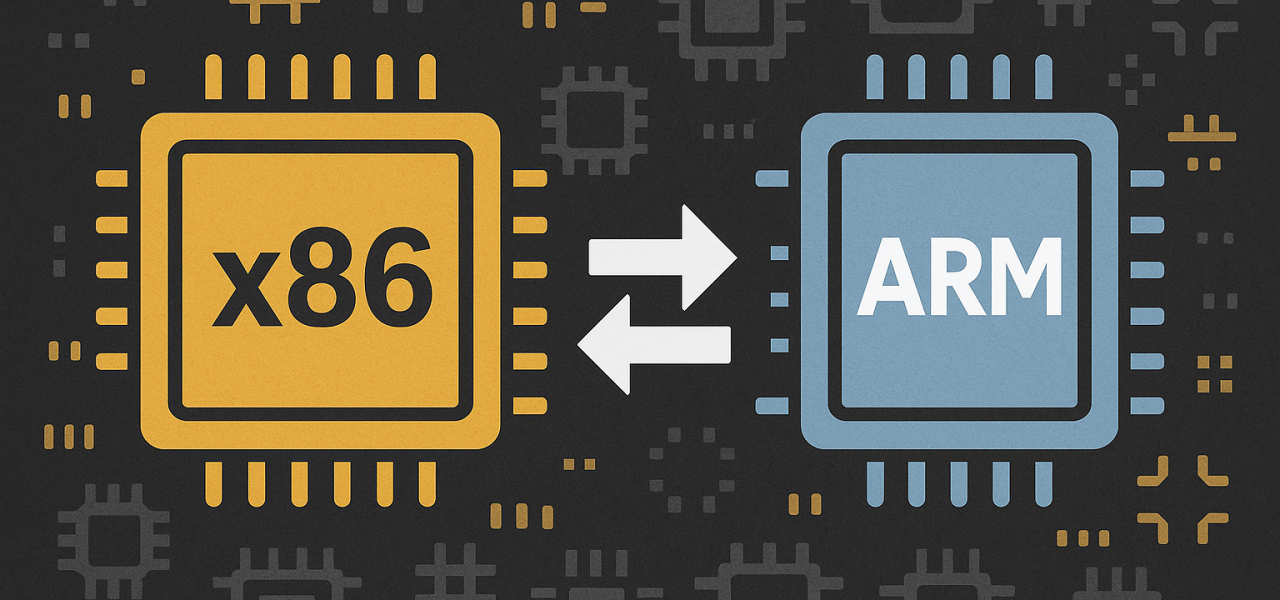

The Performance-per-Watt Paradigm For nearly four decades, the x86 architecture (led by Intel and AMD) was the undisputed king of the computing world. If you wanted power, you went with x86. But in 2026, the industry has reached a tipping point. The “Silicon Wars” are no longer about raw clock speed; they are about efficiency.
The Rise of ARM in the Enterprise What started with smartphones has moved to the data center and the professional desktop. ARM architecture’s ability to deliver high performance with significantly lower power consumption and heat output has reshaped the landscape.
- Data Center Economics: Large cloud providers are now designing their own ARM-based chips. By reducing power consumption, they cut cooling costs by up to 40%, passing those savings on to businesses.
- The Desktop Revolution: With the success of Apple’s M-series and the latest Snapdragon processors, Windows laptops are finally hitting the “20-hour battery life” milestone without sacrificing the ability to edit 8K video or run complex local AI models.
The Future: RISC-V and Open Silicon While ARM is the current challenger, a third player is rising: RISC-V. As an open-standard instruction set, RISC-V allows companies to design custom chips without paying massive licensing fees. In 2026, we are seeing the first wave of high-end RISC-V controllers in everything from automotive systems to IoT gateways, signaling a move toward truly “open” hardware.
